Rabbit with a Flower Wreath
First Impression: Soft, Festive, and Instantly Recognizable
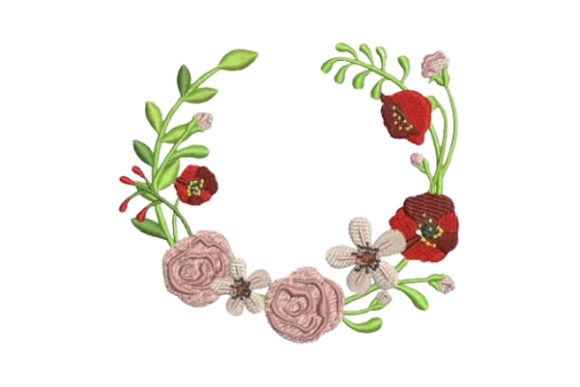
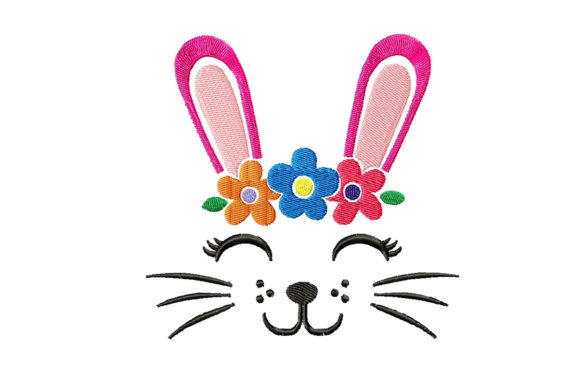
As an embroidery designer who’s prepped over 200 craft fair booths, I’ll tell you straight: Rabbit with a Flower Wreath lands as soft, festive, and quietly premium—not cutesy or cartoonish. It avoids Easter clichés (no pastel eggs or bunnies holding baskets) and leans into botanical charm with gentle curves and organic flow. That wreath isn’t just decoration; it’s visual balance. Customers scanning a crowded booth don’t pause for busy patterns—they stop for harmony. This design delivers that in under two seconds.
Where It Shines on Craft Fair Products
Tote bags: Perfect as a centered chest motif—large enough to read from three feet away but delicate enough not to overwhelm canvas or linen. The wreath’s circular shape frames the rabbit beautifully, making it ideal for medium-to-large tote placements.
Aprons and tea towel embroidery: Works best at 4–5 inches wide. On aprons, it reads as heirloom-quality detail—not “kitchen accessory,” but “thoughtful handmade gift.” On tea towels, the floral wreath echoes botanical prints common in farmhouse and modern cottagecore aesthetics, helping it stand out among generic stripes or monograms.
Embroidered patches and fabric pouches: At 2.5–3 inches, Rabbit with a Flower Wreath holds clarity without excessive stitch density. It’s more distinctive than a single flower or initial—and far more versatile than seasonal text. Patches sell fast when they feel collectible, and this one does.
Pillow covers and small market bags: Scales elegantly. As a focal point on a neutral linen pillow, it adds warmth without clutter. On drawstring pouches, it elevates a functional item into a giftable handmade product—especially when paired with coordinating thread colors.
Caps and curved surfaces: Proceed with caution. The wreath’s symmetry can distort on structured caps unless digitized with curve compensation. If you’re offering custom-embroidered caps, test this on scrap first—or stick to flat-panel options like bucket hats.
What Makes It Sell Well—In Person and Online
This isn’t just another machine embroidery design—it’s a visual anchor. At a craft fair, customers remember what *feels* intentional. Rabbit with a Flower Wreath reads as curated, not mass-produced. That perception lifts perceived value, especially on items like embroidered tea towels or linen pouches priced $28–$42.
For Etsy sellers and digital embroidery file shops, it photographs exceptionally well: clean lines, balanced negative space, and natural focal points mean less editing and stronger thumbnails. It also translates smoothly into printable mockups—no awkward cropping or lost detail.
And yes—it’s repeatable. Unlike intricate lace motifs or dense fill-heavy florals, this design avoids excessive jump stitches and maintains consistent stitch density across the rabbit’s outline and wreath petals. Batch production stays efficient, even at 25–30 units per day.
Watch These Practical Details Before You Stitch
- Dense areas: The center of the flower wreath may compress on textured towels or thick denim. Use medium-weight cutaway stabilizer—not tear-away—to prevent puckering.
- Small details: The rabbit’s ears and petal tips are fine but not micro-scale. Still, avoid shrinking below 2 inches—delicate elements blur on dark fabric or low-thread-count cotton.
- Fabric texture matters: Highly napped fabrics (like terry cloth or fleece) will mute fine line work. Stick to smooth-weave cotton, linen, canvas, or twill for best clarity.
- Thread colors: Since the description says “you can choose the color scheme at your discretion,” lean into contrast—not match. A charcoal rabbit on oatmeal linen? Elegant. Mint wreath on navy denim? Unexpected and shelf-stable.
- Hoop size & placement: Confirm the embroidery file fits comfortably within your standard hoop (e.g., 4×4 or 5×7). Avoid designs that push edges—cropping ruins booth samples and Etsy listing consistency.
How It Strengthens Your Booth & Brand
A strong craft fair table tells a story at a glance. Rabbit with a Flower Wreath supports cohesion: use it across three product types (e.g., tea towel, patch, and pouch), vary thread palettes slightly, and you’ve built a mini-collection—without needing new artwork. That signals professionalism to buyers and helps cross-selling (“Oh, you have the same rabbit on the towel—I’ll take the matching patch!”).
It also reinforces handmade quality. Machine embroidery can feel cold—but this design’s gentle curves and organic spacing read as hand-drawn, not algorithmic. That nuance builds trust, especially with boutique makers and creative entrepreneurs who prioritize authenticity over speed.
Designer Notes You Can’t Skip
- Test the embroidery file on scrap fabric matching your final product—same weight, same weave, same dye lot if possible.
- Check thread contrast under both natural and booth lighting. What reads clearly in daylight may vanish under warm string lights.
- Review spacing between rabbit and wreath elements. Tight gaps can merge in stitching—especially with satin stitch borders.
- Confirm commercial licensing before selling finished products. The description doesn’t state terms—verify before printing labels or listing on Etsy.
- Create at least one real mockup—not just a digital preview. Hold it up beside other booth items. Does it hold its own? Does it invite touch?
- Compare fabric colors side-by-side. A cream thread on natural linen looks warm; on ecru, it can read dingy. Small shifts change mood.
Final Thought: A Quiet Standout for Intentional Sellers
Rabbit with a Flower Wreath won’t shout—but it doesn’t need to. In a sea of glitter, script fonts, and over-digitized florals, its quiet balance makes it memorable. It works for Easter without being limited to it. It feels handmade without looking amateur. And for craft fair sellers, Etsy sellers, and small shop owners building real customer relationships? That kind of quiet confidence sells repeatedly—week after weekend, season after season.