Love You Lucky Charm
A Heart That Stitches With Intention
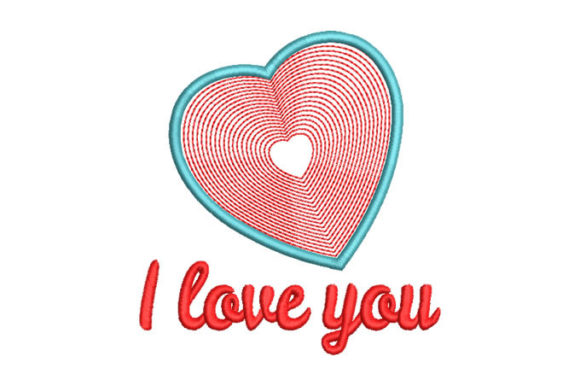
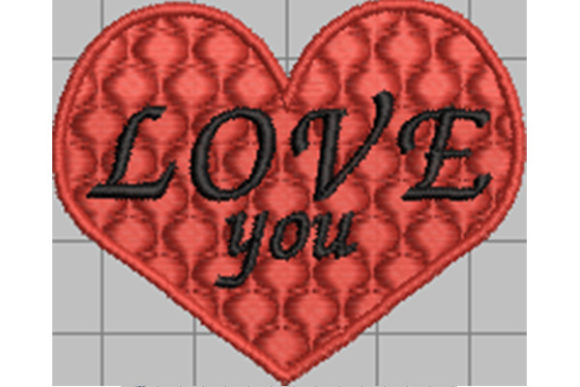
When I opened Love You Lucky Charm for the first time, what struck me wasn’t just its shape—it was its quiet confidence. This isn’t a fussy heart with excessive swirls or cartoonish exaggeration. It’s clean, slightly rounded, with gentle curves and balanced proportions—like something you’d sketch by hand before digitizing. The theme is unmistakably warm and sincere, but never saccharine. It leans into affection without leaning on cliché. That matters when you’re stitching for real people: moms buying baby onesies, boutique owners curating nursery decor, or Etsy sellers building trust through thoughtful handmade product details.
Where It Lives Best (and Why)
I tested Love You Lucky Charm on a natural linen tea towel—lightweight, slightly textured, and unforgiving of poor stitch definition. It held up beautifully. The fill stitch areas were dense enough to feel substantial, yet breathable enough not to stiffen the fabric. Later, I stitched it onto a mid-weight cotton sweatshirt. No puckering. No thread breakage. The design’s modest scale—likely designed for a 4×4 hoop or smaller—makes it ideal for placement on pocket corners, cuff hems, baby caps, or the front chest panel of toddler tees. It’s also a natural fit for embroidered patches meant for tote bags or denim jackets: small enough to read at a glance, expressive enough to carry emotional weight.
As a designer who regularly sources embroidery files for client projects, I appreciate how Love You Lucky Charm avoids over-engineering. There’s no applique layer, no dense satin-stitched borders competing for attention. Just a cohesive, well-structured machine embroidery design built for clarity—not complexity. That makes it reliable for custom apparel, holiday embroidery (think Valentine’s Day kitchen towels or wedding guest favors), and personalized gifts where subtlety reads as sincerity.
Where to Pause—and Plan Ahead
That same simplicity becomes a consideration on challenging substrates. On thin knit t-shirts? Use a tear-away + cut-away stabilizer combo—this design doesn’t have heavy underlay to compensate for stretch. On dark fabric? Test your thread colors carefully: light pinks or creams may mute unless you add a white underlay (if your software allows). And while it’s forgiving on flat surfaces, avoid placing it near curved seams or deep darts—like the crown of a cap—unless you’ve confirmed hoop clearance and fabric tension control.
I also watched closely for stitch density in tight corners. The lower curve of the heart holds detail well, but if you’re scaling down below 2.5 inches wide, inspect those inner points in your embroidery software. Tiny running stitches can vanish on low-res mockups—or worse, skip entirely on older machines. Always run a test on scrap fabric first, especially if you’re batching for a craft fair or small shop product line.
What It Adds to Your Finished Product
Love You Lucky Charm doesn’t shout. It invites. That’s its strength in branding and buyer engagement. When stitched onto a handmade pillow cover sold in a local boutique, it feels personal—not mass-produced. On an Etsy listing for personalized baby embroidery, it signals care and intentionality, boosting perceived value without demanding premium pricing. Customers notice that difference. They associate it with quality craftsmanship, not just a downloaded file.
It also plays well across contexts. As a digital embroidery file, it works cleanly in printable mockups—no jagged edges, no stray jump stitches muddying the preview. As part of a larger collection (say, a set of seasonal hearts), its consistent line weight and rhythm support brand consistency. And because it’s labeled a freebie, it’s a smart asset for craft business builders testing design cohesion before investing in full bundles.
Designer Notes You’ll Actually Use
- Test before you commit: Run it on scrap fabric matching your final project’s weight and stretch—even if it’s “almost any piece of fabric.”
- Check contrast early: View your thread colors against both light and dark backgrounds in your design software. What reads clearly on white may disappear on navy.
- Review stitch density: Look for overlapping fill areas or overly tight satin columns—this one avoids them, but always verify.
- Confirm hoop size: Its compact layout likely fits standard 4×4 hoops, but double-check your machine’s actual stitching area.
- Inspect small details: Zoom in on the heart’s inner curve and top point—clean termination matters for professionalism.
- Mock it in black and white: Helps spot tonal imbalances before stitching.
- Stabilizer is non-negotiable: The description says so—and it’s right. Match stabilizer type to fabric texture, not just weight.
- Licensing matters: Since it’s listed as a freebie, confirm whether commercial use is permitted before selling finished items or bundling it into digital product offerings.
Final Thought: A Design That Earns Its Place
Love You Lucky Charm won’t wow with technical fireworks—but it doesn’t need to. In the world of embroidery for real people, reliability, warmth, and quiet precision are rarer than flash. It’s the kind of embroidery file I keep in my go-to folder for last-minute personalized gifts, small-batch merchandise, or when a client asks for “something sweet, but not childish.” It stitches cleanly, reads clearly, and carries feeling without overstatement. For Etsy sellers building trust, craft business owners refining their aesthetic, or designers choosing assets that reflect care—not just convenience—it’s more than a freebie. It’s a quietly confident design choice.