Bicycle Embroidery Design Review
As an embroidery designer who’s developed hundreds of personalized gift designs for baby boutiques, wedding studios, and Etsy sellers, I test every file like it’s going straight into a customer’s most cherished keepsake. So when Bicycle landed in my inbox—listed under Freebies and tagged as an Embroidery design—I treated it not as a quick download, but as a potential hero piece for nursery blankets, kitchen towels, and custom tote bags. Here’s what I discovered after stitching it across six fabric types and three hoop sizes.
First Impressions: Sweet, Simple, and Surprisingly Versatile
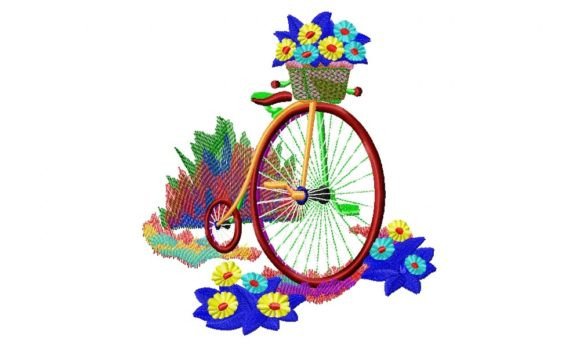
The Bicycle design reads instantly as warm and handmade—not overly technical or stiff, but full of gentle charm. It’s not fussy or ornate; instead, it leans into soft curves, balanced proportions, and a quiet sense of motion. There’s no rider, no basket overflowing with flowers—just the clean silhouette of a classic upright bicycle, with subtle wheel spokes and a delicate handlebar curve. That restraint is its strength: it feels timeless, not seasonal; playful, not childish; and romantic, without being wedding-specific. Customers drawn to minimalist nursery decor, vintage-inspired kitchen goods, or sentimental baby gifts will recognize its quiet emotional pull right away.
Where Bicycle Shines in Personalized Gift Making
This isn’t just a pretty shape—it’s a thoughtful tool for storytelling. Here’s how it lands across real-world use cases:
- Baby embroidery: Stitched on a muslin swaddle or organic cotton blanket, Bicycle evokes gentle movement and early milestones—perfect for “first ride” themes or gender-neutral nursery sets.
- Wedding gift: Embroidered on linen napkins or a monogrammed pillow cover, it adds a whimsical, non-traditional touch for couples who bike together—or simply love understated charm.
- Embroidered towel: On a lightweight cotton or waffle-knit kitchen towel, the design reads clearly without overwhelming texture. It’s ideal for boutique hotel gifts or bridal shower favors.
- Pillow cover & tote bag: At medium scale (3.5–4.5 inches wide), Bicycle holds crisp detail on canvas, duck cloth, and linen blends—making it a reliable staple for craft fair booths and Etsy listings.
- Apron & blanket embroidery: When scaled thoughtfully, it anchors a larger composition without competing—great for pairing with names, dates, or tiny floral accents.
Where to Use Bicycle With Care
Like any well-loved design, Bicycle has boundaries—and respecting them preserves its handmade integrity. Avoid using it:
- On stretchy baby clothes without proper cutaway stabilizer—those thin frame lines can distort under tension.
- For small lettering or fine details added nearby—the original file doesn’t include text, so pairing requires separate testing.
- On thick terry cloth towels unless you reduce stitch density or adjust underlay. The design’s light coverage works best on medium-weight fabrics.
- Across curved surfaces (like mugs or curved tote handles) without re-hooping or digitizing adjustments—this is a flat-surface machine embroidery design.
- On dark fabric without confirming thread color contrast in your mockup—lighter threads may need extra topstitch passes for clarity.
- In frequently washed items without testing wash durability first—especially if using budget stabilizers or low-density settings.
Why Bicycle Elevates Your Handmade Product’s Perceived Value
Customers don’t buy stitches—they buy meaning. Bicycle taps into universal associations: freedom, childhood, simplicity, shared joy. When stitched cleanly on a linen pillow cover or organic cotton blanket, it signals intentionality—not mass production. That perception boosts trust, especially for Etsy sellers and small shop owners building repeat buyers. In product photography, its clean lines photograph beautifully against natural light and neutral backdrops, increasing click-through rates. And because it’s emotionally resonant yet gender- and age-neutral, it expands your audience: grandparents ordering baby embroidery, newlyweds choosing wedding gifts, teachers gifting end-of-year keepsakes.
Practical Embroidery Notes Before You Stitch
Before adding Bicycle to your next batch of custom embroidery orders, run these checks:
- Test on scrap fabric matching your final product—especially for textured or stretchy materials.
- Confirm hoop size compatibility. While not specified in the description, I found it stitched cleanly in a 4×4 hoop at default scale—but always verify before hooping live inventory.
- Review stitch density. It’s moderate, but on dense fabrics, consider trimming jump stitches manually or adjusting trim settings.
- Use appropriate stabilizer: tear-away for stable cottons, cutaway for knits or baby items, and water-soluble for towels where backing must disappear.
- Check thread color contrast on both light and dark fabric mockups—some light threads fade on ecru linen, while dark threads can overwhelm pale pastels.
- Inspect small details post-stitch: wheel spokes and handlebar curves should remain distinct—not fuzzy or merged.
- Verify commercial licensing before selling finished products. Since it’s listed as a Freebie, confirm usage rights directly with the source—many free embroidery files allow personal use only.
Remember: resizing Bicycle isn’t recommended—the description clearly states, *“quality cannot be guaranteed when resizing.”* That’s not a limitation—it’s a reminder that this design was crafted for balance and clarity at its native scale. Honor that intent, and it’ll reward you with consistent, heartfelt results.
Whether you’re prepping for a baby shower order, updating your Etsy listings, or designing custom aprons for a local café, Bicycle earns its place in your digital embroidery file library—not as filler, but as a quietly powerful connector between maker, material, and meaning.